Berea Update for July 10, 2026
In maritime history, ship captains have long waged a quiet war against a phenomenon known as "biofouling." When a vessel spends extended time in the water, microscopic organisms, algae, and eventually thousands of hard-shelled barnacles begin to attach themselves to the hull. At first, a single layer of these tiny crustaceans seems completely harmless. They don't pierce the wood or puncture the iron. But over time, as the calcified layer thickens and multiplies, it creates massive underwater drag. The ship slows down, its fuel efficiency plummets, and the hull becomes heavy and unresponsive. If left untreated in dry dock, the weight and rigid calcification can permanently ruin the vessel's ability to navigate the seas.The tragic part of biofouling is that the ship doesn't notice it's accumulating the weight until it is already bogged down and sluggish.
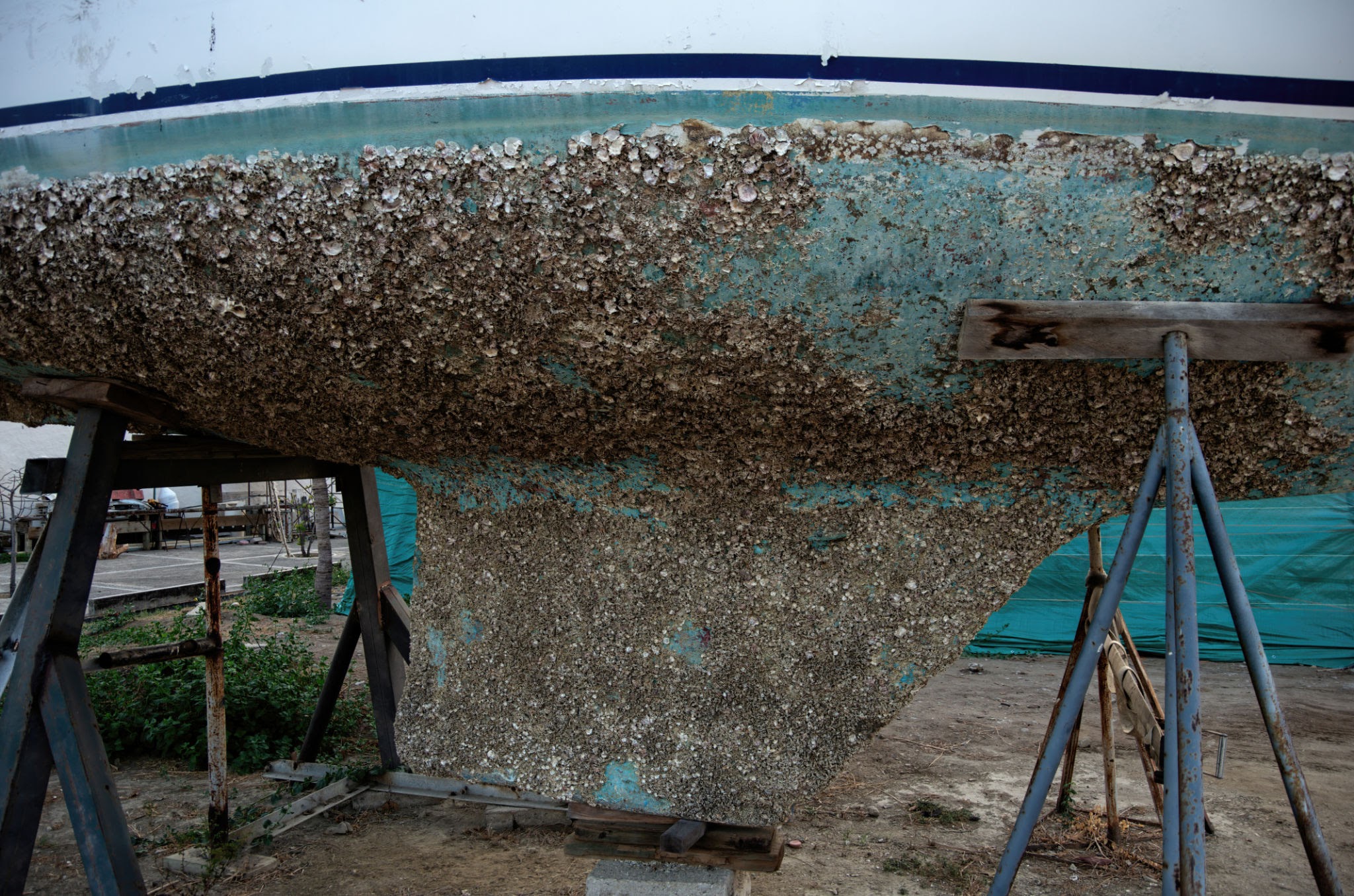
The exact same phenomenon happens spiritually. We often mistake a lack of conviction or a rigid attitude for strength and maturity, but Scripture calls it something far more dangerous: a callus.
This Sunday at Berea Bible Church, we are stepping back into the Gospel of Mark. We are dropping right into Mark 3:1–6, a jarring text where a man with a withered hand is used as mere bait by religious leaders trying to trap Jesus. The physical condition of the man’s hand is tragic. But the spiritual condition of the onlookers’ hearts is terrifying. Mark tells us that the Pharisees closely scrutinized Jesus, waiting for Him to break a traditional Sabbath regulation by performing a miracle. They didn’t see a hurting neighbor; they saw a checklist item to monitor. They didn't feel empathy; they felt a desire to audit.
Spiritual pride is a gentle slope. A spiritual callus forms exactly like a physical one: through repetitive friction. When we experience the friction of life—church hurts, disappointments, theological debates, or cultural conflict—our defensive instinct is to harden our souls to protect ourselves. We build a thick, numb barrier. The tragic irony of a hardened heart is that it gives us a spiritual magnifying glass for the flaws of everyone else, but a complete blindfold for our own condition. We trade the fruit of the Spirit for a clipboard of grievances. We start policing other families, launching anonymous critiques online, or viewing messy people in our community as disruptions rather than souls whom Jesus came to save.
When our hearts calcify, we even begin to form toxic coalitions. In Mark 3:6, the Pharisees (religious traditionalists) and the Herodians (political secularists) hated each other. They were bitter enemies. Yet, they gladly built a corrupt partnership because they shared a common target: they wanted to destroy Jesus. Hard hearts love a crowd, and they will happily team up with anyone to validate their bitterness or secure their self-righteous pedestal. We must recognize that neutrality toward Jesus is an active hardening of the soul. Like wet cement left undisturbed, our hearts gradually set into solid stone if we continually resist the promptings of the Holy Spirit. How do we break the callus? We don't do it by trying harder or making more rules. We do it by dragging our cold, rigid souls back to the cross of Christ. It is only there, when we realize that we were the ones with the withered souls who couldn't lift a finger to save ourselves, that the clipboard falls out of our hands. Let's prepare our hearts this week to be softened by His grace.
See you Sunday morning! Keep pressing on!
Upcoming Events
1. This Sunday, we'll be jumping back into the book of Mark, looking at Mark 3:1-6 with a sermon called "A Withered Hand and Calloused Hearts." We'll also be giving details on our church's plans for Operation Christmas Child for the remainder of the year. We hope you'll be able to join us as we worship the Lord together!
2. Thank you to everyone who attended this past Wednesday's prayer night! We spent time moving around the building to pray for Berea's various ministries, and the individuals who are a part of those ministries. Please plan to join us throughout the remainder of the summer for Summer Prayer Nights, where we'll be seeking the Lord for our church, families, community, and nation. We'll be meeting on the following dates at 6:00 PM in the Family Life Center. The next one is Sunday, July 19. We'll do a variety of types of prayer, both corporate and individual:
July 19 (Sunday)
July 29 (Wednesday)
August 9 (Sunday)
August 19 (Wednesday)
3. Mark your calendars Youth Group! Here are your upcoming events for the month of July:
- This upcoming Wednesday, July 15: Meet at the Church from 6:30-8:00 PM
-July 22: Meet at Wes and Michele Stephens' house from 6:30-8:00 PM
4. There will be an outdoor work day on Saturday, July 18 from 9:00-11:00 AM, weather permitting! We'll be doing some clean up around the building, including adding some mulch to the flower beds.
5. Several have expressed interest in joining Berea officially in membership. To officially join Berea, we require that each person participate in a Membership Class, which will be held on Sunday, July 19 from 2:00-5:00 PM here at the church. If you have not already let me know your intention to join Berea, it's not too late! Please just send me an email to let me know so that I can make sure to have materials ready for you!
6. For years, our AWANA program has been an important ministry for hiding God’s Word in the hearts of our children. We have watched kids grow in their faith, memorize Scripture, and build lasting friendships. As we look ahead to the upcoming year, we are at a critical crossroads. Several of our long-time, faithful volunteers are stepping down after years of incredible service. We are deeply grateful for their investment, but it means we currently do not have enough staff to run the program safely and effectively. Our philosophy as leadership is simple: if we cannot do this ministry well and safely, we should not do it.
Before a final decision on whether to pause AWANA for the upcoming year is made, the deacons and I want to gauge if there is a new generation of leaders ready to step into the gap. If you have not already done so,
please take two minutes to fill out this brief survey: AWANA Volunteer Interest Form Even if you cannot serve, or if you would only be willing to step up as a last resort to keep the ministry alive, your response is incredibly valuable to us as we pray through next steps. Please join us in praying for wisdom and for our children's ministry as a whole.
Ways You Can Pray This Week
1. Please pray for our nation--our leaders, our servicemen and servicewomen, and all of those who sacrifice on a daily basis for our freedoms and liberties.
***Please know that there are many individuals who need prayer this week due to health concerns and other events going on in their lives. Out of sensitivity to each individual's situation, these requests may not appear in this weekly blog. We have a "Prayer Team" at the church who receives more detailed information, and commits to praying for individuals in our church family.
This Week's Devotions
Day 1: The Danger of the Pedestal
Luke 18:11–12 (ESV) — "The Pharisee, standing by himself, prayed thus: ‘God, I thank you that I am not like other men, extortioners, unjust, adulterers, or even like this tax collector. I fast twice a week; I give tithes of all that I get.’"
It is incredibly easy to mistake structural obedience for spiritual maturity. This Pharisee wasn't lying about his resume; he actually did those things. His failure wasn't his discipline, but his pedestal. He used God’s law not as a mirror to see his own need, but as a measuring stick to look down on his neighbor. When our theology makes us feel superior to the broken people around us, we have strayed from the gospel.
Reflection Question: When you look at people struggling with messy lives or public sins in your community, is your first instinct gratitude that you aren't like them, or a sober reminder of your own need for mercy?
Day 2: The Command to Mourn
Romans 12:15 (ESV) — "Rejoice with those who rejoice, weep with those who weep."
The religious elite in the synagogue could look directly at a man with a paralyzed limb and feel absolutely nothing. Their legal system had insulated them from human empathy. The New Covenant, however, demands that our hearts remain porous. We are commanded to let the pain of others disrupt our comfort. To walk like Jesus means refusing to let our theological or political convictions numb our capacity to grieve over a broken world.
Reflection Question: Whose pain or difficult life situation do you need to actively stop analyzing with a critical eye, and instead begin praying for with genuine empathy?
Day 3: The Slow Onset of Drift
Hebrews 2:1 (ESV) — "Therefore we must pay much closer attention to what we have heard, lest we drift away from it."
Nobody wakes up one morning and decides to become a hard-hearted legalist. It is a slow, imperceptible drift. We get hurt, so we build a small boundary. We experience a church conflict, so we adopt a cynical perspective. We read an online argument, so we harden our orthodoxy. If we aren't actively and intentionally pursuing humility, the default current of our human nature will always carry us toward a rigid, self-protective spirit.
Reflection Question: Looking back over the last year or two, can you see any areas where your tone or attitude toward other believers has become more clinical, critical, or cynical?
Day 4: The Bitter Root
Hebrews 12:15 (ESV) — "See to it that no one fails to obtain the grace of God; that no 'root of bitterness' springs up and causes trouble, and by it many become defiled..."
The author of Hebrews uses a botanical image here: a hidden, subterranean root. Bitterness starts deep underground, out of sight. But when it breaks the surface, its fruit is toxic, poisoning our relationships and fracturing our communities. When we refuse to extend the same radical grace to others that God has poured over us, that bitter root takes hold, calcifying our hearts and leading us to recruit others to join our camp of grievances.
Reflection Question: Is there a past offense or unresolved conflict that you are secretly watering in the quiet corners of your heart?
Day 5: The Warning of the Unforgiving Servant
Matthew 18:32–33 (ESV) — "Then his master summoned him and said to him, ‘You wicked servant! I forgave you all that debt because you pleaded with me. And should not you have had mercy on your fellow servant, as I had mercy on you?’"
Meditation: In Jesus' famous parable, a man forgiven an astronomical, unpayable debt turns around and chokes a peer over a few dollars. It seems monstrous, yet it is exactly what we do when we hold clipboards of judgment against our spouses, our children, or our brothers and sisters in Christ. Remembering the massive ocean of judgment we have been rescued from is the single most effective way to shatter our self-righteousness.
Reflection Question: Who is someone in your life who needs to experience the spillover of the mercy God has shown to you?
Day 6: The Posture of Restoration
Galatians 6:1 (ESV) — "Brothers, if anyone is caught in any transgression, you who are spiritual should restore him in a spirit of gentleness. Keep watch on yourself, lest you too be tempted."
The Bible never calls us to ignore sin or compromise on truth. But it strictly dictates how we address it: with an overwhelming spirit of gentleness and a profound sense of our own vulnerability. A hardened heart wants to audit, expose, and perform a public takedown. A soft heart wants to protect, heal, and bring a wandering brother back to safety while remembering, "But for the grace of God, go I."
Reflection Question: When you see a fellow believer fail or falter, does your heart naturally incline toward protective restoration or critical evaluation?
Day 7: The Promise of the Sculptor
Psalm 51:17 (ESV) — "The sacrifices of God are a broken spirit; a broken and contrite heart, O God, you will not despise."
King David knew what it felt like to have a calcified soul. He spent a full year covering up horrific sins, living behind a defensive wall of pride. But when the callus finally shattered, he realized something beautiful: God doesn't demand our flawless performance; He desires our broken contriteness. When we stop pretending we have it all together, stop building corrupt coalitions, and simply lay our spiritual poverty before Him, the Master Sculptor begins His finest work.
Reflection Question: What mask of "spiritual performance" or defensive pride do you need to take off and leave at the feet of Jesus today?
Kids (and Kids at Heart) Korner
Hey kids! Have you ever left a can of Play-Doh open by accident? When you first open a brand new can, it's soft, squishy, and you can mold it into anything you want—a castle, a dinosaur, or a smiley face. But if you leave it sitting out on the counter overnight, what happens to it? It gets hard, crusty, and stiff. If you try to bend it, it snaps! It turns into a boring little rock that you can't mold anymore.
This Sunday, I am going to talk about a story in Mark chapter 3 where Jesus encounters some religious leaders who let their hearts get just like that dried-out Play-Doh. They were so focused on rules that their hearts became hard like stones, and they stopped caring about a man who was hurt and needed help. Jesus wants our hearts to be soft, squishy, and ready to love others—not hard and stubborn!
Hands-On Family Activity: This week, grab a rock from the backyard and a piece of soft play dough or clay. Try to press your thumb into the rock. What happens? Nothing! It's too hard to change shape. Now, press your thumb into the soft clay. It leaves a perfect impression. The Big Idea: When our hearts are soft and humble, God can mold us and leave His mark on our lives. When we get stubborn, angry, or critical, we become like the rock.
Have a great weekend! See you Sunday!
Mark